“Will I be paralysed?” “Will there be major blood loss?” “Will I spend months in bed—or away from work?” These fears are understandable. But they often reflect an older picture of spine surgery.
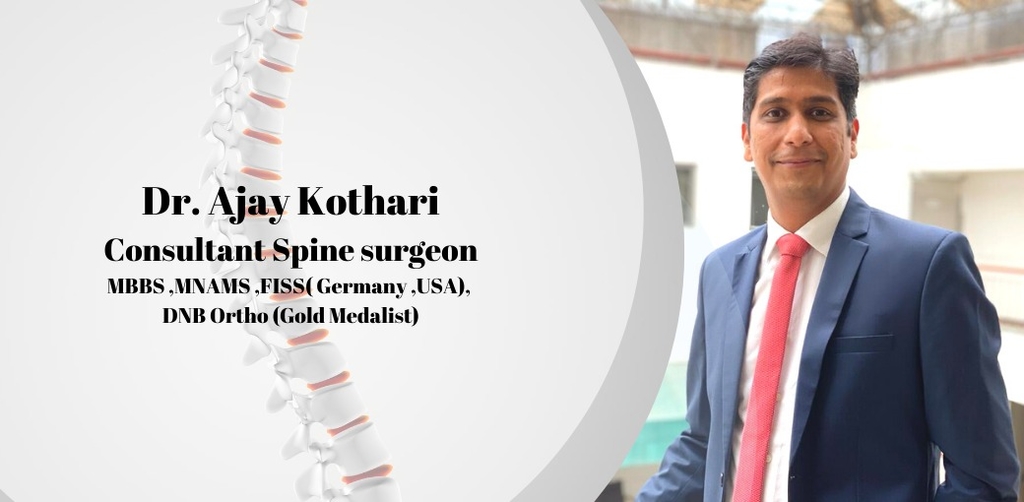
In my article published in Sakal, I highlight how modern technology is helping make spine surgery more precise, less invasive and safer.[1]
Robotic assistance, O-arm–based 3D navigation, intraoperative neuromonitoring, ultrasonic bone scalpels and advanced surgical microscopes give surgeons greater precision and better visualisation while helping protect delicate neural structures. Minimally invasive and endoscopic techniques can further reduce tissue disruption and support faster recovery in appropriately selected patients.
For patients, these advances can translate into less blood loss, earlier mobilisation, shorter hospital stays and an earlier return to everyday activities and work. Yet technology is an aid—not a substitute for surgical judgement. The right diagnosis, appropriate patient selection and an experienced surgical team remain central to good outcomes. No operation is risk-free, and not every patient needs surgery.
The message is simple: modern spine surgery should be understood through today’s possibilities—not yesterday’s fears.
#SpineSurgery #RoboticSpineSurgery #EndoscopicSpineSurgery #PatientEducation #SurgicalInnovation

Read More:
Dr. Ajay Kothari Appointed External Examiner at KEM Hospital Mumbai
Promoting Bone Health and Preventing Back Pain in Older Adults

