Logo of Dr. Ajay Kothari - Minimally invasive endoscopic, scoliosis & Spine Surgeon
  • Home
  • About
    • Dr Ajay Kothari
  • FAQs
  • Services
    • Spinal Surgery
    • Non Surgical Treatment
  • Updates
    • News
    • Media
    • FAQs
    • Publications
  • Patient Stories
  • Book Teleconsult
First banner of Dr. Ajay Kothari - Minimally invasive endoscopic, scoliosis & Spine Surgeon

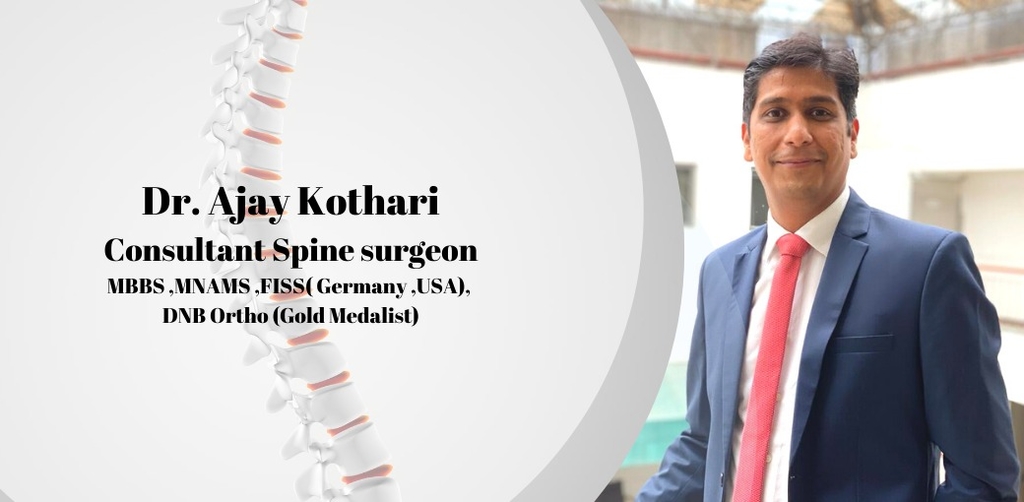
Dr. Ajay Kothari - Minimally invasive endoscopic, scoliosis & Spine Surgeon
Robotic O Arm Neuro Navigation - Advanced Spine Surgery Centre

Congenital Heart Defects

National Library of Medicine

A congenital heart defect is a problem with the structure of the heart. It is present at birth. Congenital heart defects are the most common type of birth defect. The defects can involve the walls of the heart, the valves of the heart, and the arteries and veins near the heart. They can disrupt the normal flow of blood through the heart. The blood flow can slow down, go in the wrong direction or to the wrong place, or be blocked completely.

Doctors use a physical exam and special heart tests to diagnose congenital heart defects. They often find severe defects during pregnancy or soon after birth. Signs and symptoms of severe defects in newborns include

  • Rapid breathing
  • Cyanosis - a bluish tint to the skin, lips, and fingernails
  • Fatigue
  • Poor blood circulation

Many congenital heart defects cause few or no signs and symptoms. They are often not diagnosed until children are older.

Many children with congenital heart defects don't need treatment, but others do. Treatment can include medicines, catheter procedures, surgery, and heart transplants. The treatment depends on the type of the defect, how severe it is, and a child's age, size, and general health.

NIH: National Heart, Lung, and Blood Institute

Did you find this topic helpful?  Yes   No 
Previous
Concussion
Next
Connective Tissue Disorders
×

To view this video please enable JavaScript, and consider upgrading to a web browser that supports HTML5 video.

prev next
prev next image
?
Ask Question
Need more information? Ask us.
x
Signup
to Submit (New user)
Login to Submit
(Existing user)
Cancel Powered by AboutMyClinic.com
Submit Question
 
Powered by AboutMyClinic.com
Login to Submit Question
Login with google
Powered by AboutMyClinic.com
AboutMyClinic
SmartSite created on AboutMyClinic.com
Disclaimer: The health-related content provided here may be generated or assisted by Artificial Intelligence (AI) and is intended for general informational and educational purposes only. It should not be considered a substitute for professional medical advice, diagnosis, or treatment.

Success

Ok