Cervical & Lumbar Stenosis Explained | Causes, Symptoms, Diagnosis & Treatment Options
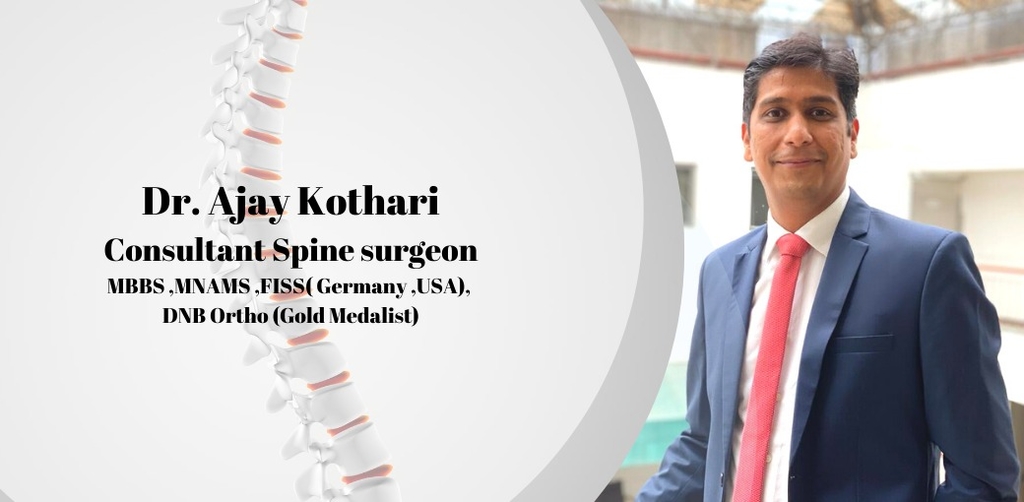
Dr. Ajay Kothari
Spinal stenosis is a condition where the spinal canal becomes narrow, putting pressure on the spinal cord and nerves. It commonly affects the cervical (neck) and lumbar (lower back) regions.
In this video/article, you will learn:
🔹 What is Spinal Stenosis?
• Understanding cervical and lumbar spinal narrowing
• How nerve compression affects movement and sensation
🔹 Cervical Stenosis (Neck)
• Neck pain and stiffness
• Tingling or numbness in arms and hands
• Weakness, balance issues, difficulty walking
🔹 Lumbar Stenosis (Lower Back)
• Lower back pain
• Leg pain, heaviness, or cramping while walking
• Relief on bending forward or sitting
🔹 Common Causes
• Age-related degeneration
• Disc bulge or herniation
• Osteoarthritis and bone spurs
• Thickened ligaments
• Previous spinal injuries
🔹 Diagnosis Methods
• Clinical examination
• X-ray, MRI, or CT scan
🔹 Treatment Options
• Physiotherapy & posture correction
• Pain management and medications
• Lifestyle modifications
• Advanced minimally invasive or surgical treatment (if required)
🔹 When to See a Spine Specialist?
• Persistent pain
• Increasing weakness or numbness
• Difficulty in walking or daily activities
Early diagnosis and proper treatment can significantly improve quality of life.
📌 Consult an orthopedic spine specialist for accurate diagnosis and personalized treatment.

