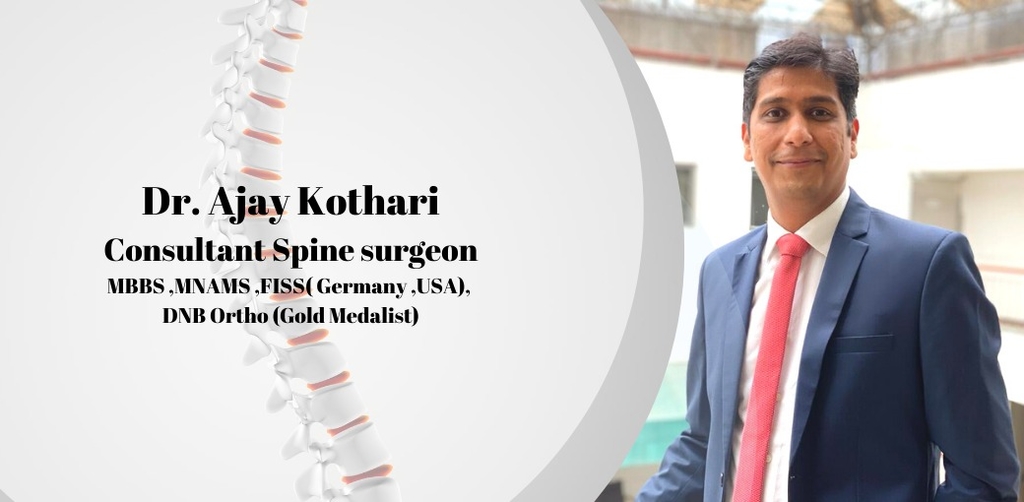
When the Spine Bends: Understanding Scoliosis & Kyphosis
Ajay Kothari
The spine is designed to be strong, flexible, and balanced. But sometimes, abnormal curvatures such as scoliosis (sideways curvature) and kyphosis (excessive forward curvature) can develop.

These spinal deformities can occur at any age—from a newborn baby to an elderly individual in their 80s. The causes may vary with age, ranging from congenital and developmental conditions in children to degeneration, osteoporosis, fractures, and other age-related changes in adults.
The good news is that modern spine care has evolved tremendously. A large proportion of spinal deformities can be managed without surgery, depending on the severity, age, symptoms, and progression of the curve.
Treatment may include:
- Bracing
- Physical therapy and targeted exercises
- Yoga and stretching
- Schroth-based scoliosis exercises
- Osteoporosis evaluation and appropriate medications
- Regular observation and monitoring of the curvature
When surgery is genuinely required—particularly in younger patients with significant or progressive deformities—modern scoliosis surgery has become safer, more precise, and highly effective. With advances in technology, navigation, neuromonitoring, and surgical techniques, these procedures can be life-changing, helping children and young individuals achieve better spinal balance, function, confidence, and quality of life.
The key message is simple: a curved spine does not always mean surgery. Early evaluation, appropriate diagnosis, and timely treatment can make a significant difference.
I am happy to share this article published in Sakal, discussing scoliosis, kyphosis, spinal deformities, and the evolving approach to their treatment.
#Scoliosis #Kyphosis #SpinalDeformity #SpineHealth #SpineSurgery #ScoliosisTreatment #KyphosisTreatment #SchrothExercises #PhysicalTherapy #SpineCare #PediatricSpine #Osteoporosis #MinimallyInvasiveSpineSurgery #SpineSurgeon #HealthySpine #BackHealth #ScoliosisAwareness #SpineEducation
Previous
prev next
prev next 
Ask Question

Disclaimer: The information provided here should not be used during any medical emergency or for the diagnosis or treatment of any medical condition. The information is provided solely for educational purpose and should not be considered a substitute for medical advice.